 EN
EN

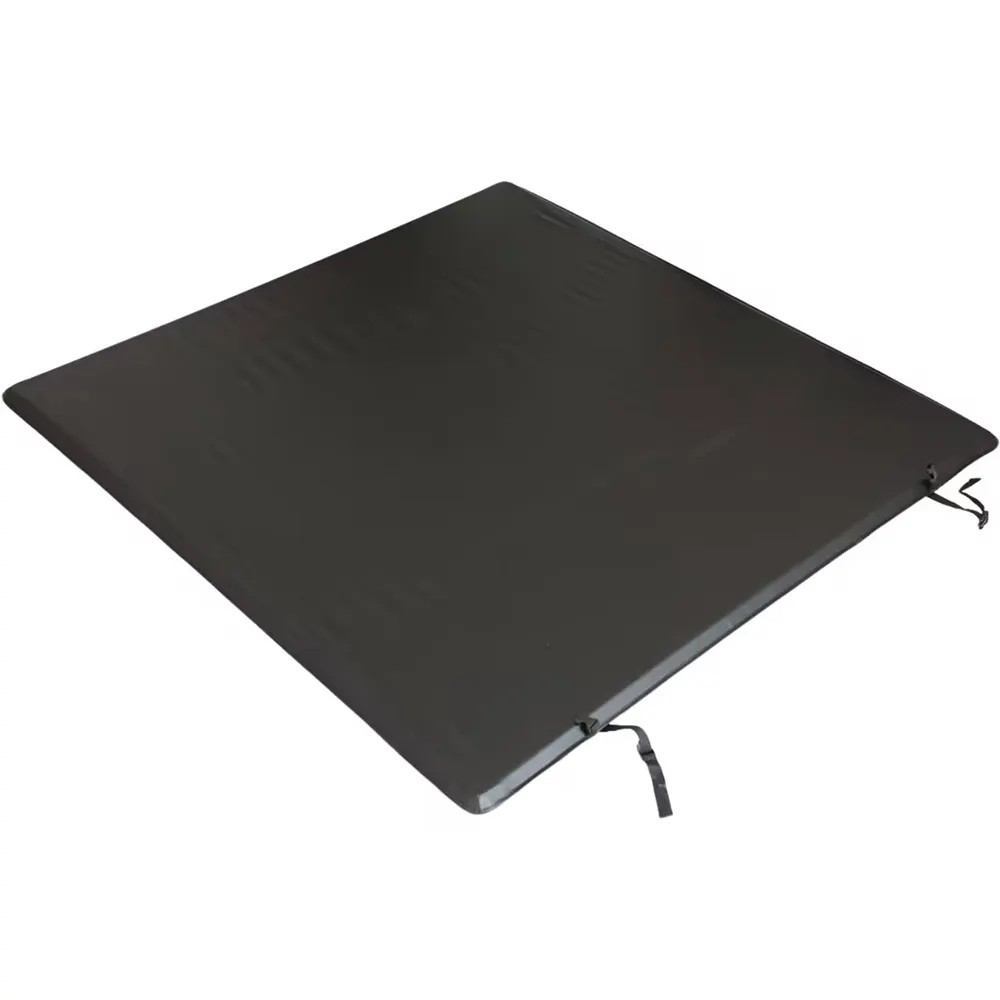
Identifying and Prioritizing Reliable Tonneau Cover Suppliers
Assessing Global Sourcing Capabilities: Certification, Regional Strength, and Scalability
When looking at tonneau cover suppliers, there are several key factors worth considering. The first thing to check is whether they have proper certifications from international bodies. Certifications like ISO 9001 and IATF 16949 show that their quality control processes meet industry standards after being reviewed by independent auditors. Next up is where they manufacture these covers. Coastal areas such as Guangdong tend to have better ports for shipping goods overseas, whereas places like Zhejiang and Jiangsu often boast skilled workers, established supply chains for materials, and generally lower costs. Lastly, it makes sense to look at how well a supplier can scale operations when needed. Checking past production records and available extra capacity gives insight into this. Good suppliers should be able to handle sudden increases in orders without breaking a sweat, ideally managing at least a 30 percent jump in volume without creating delays during busy periods or unexpected market changes.
Case Study: Diversifying Sourcing Beyond Guangdong to Zhejiang and Jiangsu for Resilience
A big name in the automotive industry had serious trouble getting parts from Guangdong throughout 2022 because of constant supply chain issues. So they decided to spread out their sourcing operations to Zhejiang and Jiangsu instead. What did they do? They went through the process of vetting seven completely new suppliers. This wasn't just paperwork either - teams showed up unexpectedly at facilities for inspections and ran multiple rounds of sample tests on products. Creating this three region network actually cut down waiting periods by about 18 days when monsoons messed up transportation schedules, all while keeping product quality steady. The workers in Zhejiang who specialize in making things really well worked hand in hand with Jiangsu's system where materials get made right there locally. Even though there were plenty of headaches along the way, this setup still managed to hit nearly 94 percent on time deliveries, which is pretty impressive considering what was going on around them.
Evaluating Tonneau Cover Supplier Quality and Capacity Rigorously
Verifying ISO/TS 16949 Compliance Through Documentary, On-Site, and Batch Testing
Getting ISO/TS 16949 compliant isn't optional when making tonneau covers for cars anymore since it was replaced by IATF 16949 standards. The process starts with looking at all the paperwork from suppliers first. Check their quality management systems thoroughly, including things like control plans they have in place, records showing how they fix problems, and complete logs tracking where materials come from. Then comes visiting facilities personally to see if machines are properly calibrated, workers actually know what they're doing through proper certifications, and whether there are good ways to catch defects as they happen during production. Finally, test actual products in batches after three different production runs. Look specifically at how strong the material is (needs at least 18 MPa tensile strength), how well it holds up against sunlight exposure (should last over 1,000 hours according to ASTM G154 tests), and make sure dimensions stay within acceptable ranges (+/- 1.5 mm tolerance).
| Verification Method | Key Focus Areas | Industry Benchmark |
|---|---|---|
| Documentary Audit | QMS documentation, corrective action logs, material certifications | 100% policy alignment |
| On-Site Assessment | Equipment calibration, operator training, in-line quality checks | ≤0.8% defect rate |
| Batch Testing | Tensile strength, UV stability, dimensional accuracy | 98% compliance over 3 batches |
Neglecting this layered approach exposes buyers to avoidable risk: automotive supply chain failures average $740k per incident (Ponemon Institute, 2023 Cost of Supply Chain Disruption Report). Prioritize suppliers who proactively share testing protocols and historical compliance data—this transparency reduces production delays by 34% compared to reactive quality management.
Optimizing Bulk Procurement Terms with Tonneau Cover Suppliers
Balancing MOQ Flexibility, Container Efficiency, and Hybrid Incoterms (FOB+DDP)
Getting procurement right means finding balance among several factors. The main ones include minimum order quantities, how efficiently we pack containers, and figuring out what Incoterms work best. When negotiating MOQs, it's smart to get tiered options that still offer good volume discounts but don't push companies into holding too much stock. Take for instance splitting large orders into multiple 40HQ container shipments rather than one big batch. This approach often reduces warehouse expenses around 18%. Working closely with suppliers on packaging improvements makes a real difference too. Simple changes like standardizing boxes so they nest together or fold flat typically boost container capacity by about 15 to 20 extra units. For global purchases, mixing FOB and DDP terms works well in practice. Under FOB, ownership passes at the loading port, whereas DDP means suppliers handle all the paperwork and last leg of delivery. Combining these approaches generally saves about 12% on total landed costs and builds supply chain strength, especially important when dealing with suppliers spread across different regions worldwide.
Building Long-Term Trust and Performance Alignment with Tonneau Cover Suppliers
Implementing Quarterly Business Reviews and Shared KPI Dashboards
Transitioning from transactional relationships to strategic partnerships demands structured, transparent engagement. Quarterly business reviews (QBRs) formalize performance dialogue—shifting feedback from ad hoc corrections to proactive alignment on quality, delivery reliability, and innovation pipelines. These sessions help surface and resolve emerging risks before they escalate into disruptions.
Adding shared digital dashboards to regular quality business reviews helps track important metrics like defect rates (aiming for around 0.5% variation) and on-time delivery performance. This kind of transparency cuts down confusion and gives everyone clear targets to work toward together. Take material waste tracking as an example. When suppliers see exactly where waste is happening, they tend to take ownership of the problem. Automotive manufacturers working with such partners actually keep those suppliers longer - about 15% higher retention rate according to industry data. What really makes a difference though is giving suppliers early access to customer orders through secure online systems. This lets them plan production better and match their inventory needs more accurately. One study found companies saved roughly $740,000 each year on excess stock this way (Ponemon Institute's 2023 report on supply chain disruptions).
FAQ Section
What certifications should tonneau cover suppliers have?
Suppliers should have certifications like ISO 9001 and IATF 16949, which indicate their adherence to industry standards.
How do suppliers manage sudden increases in order volumes?
Good suppliers should be capable of handling sudden increases in orders, ideally managing at least a 30 percent jump in volume without causing delays.
What is the importance of ISO/TS 16949 compliance?
ISO/TS 16949 compliance ensures rigorous quality management and is essential for maintaining high standards in the automotive industry.
How can procurement strategies optimize cost and efficiency?
Procurement strategies like balancing MOQ flexibility, container efficiency, and hybrid Incoterms (FOB and DDP) help in reducing costs and improving efficiency.