 EN
EN

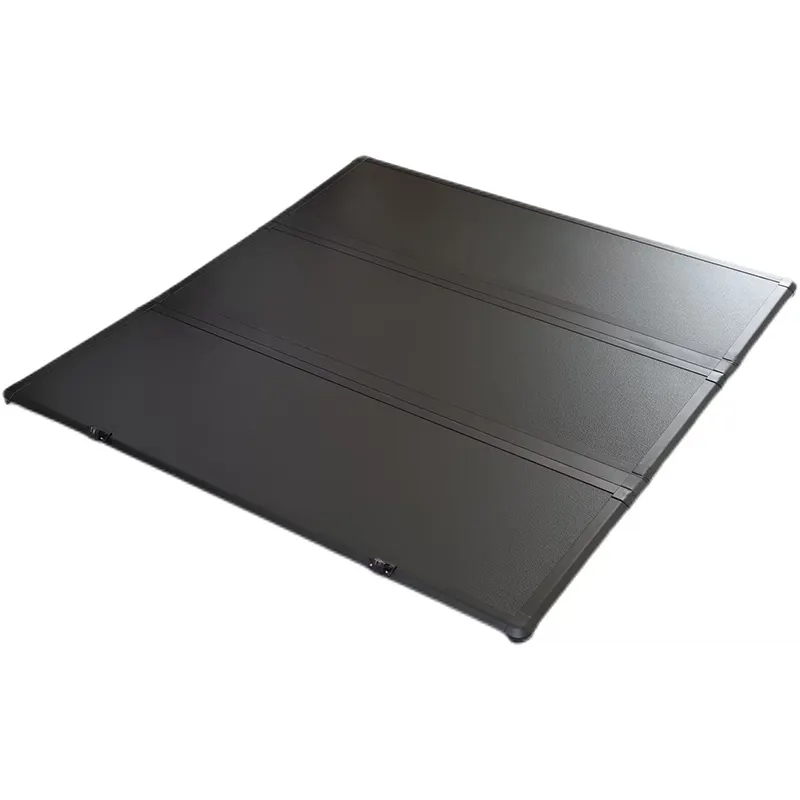
Core Weatherproof Materials Used in Tonneau Covers
Rigid Panel Options: Aluminum, Fiberglass, and ABS Plastic
Hard tonneau covers need sturdy, solid materials to block out rain, snow, and wind effectively. Aluminum panels stand out because they resist rust really well and have great strength compared to their weight, which matters a lot when dealing with heavy snow accumulation on top of trucks. Fiberglass is another good option since it can take impacts better than most materials and stays stable even in super cold conditions down to -40 degrees Fahrenheit or hot summer days reaching up to 150 degrees. This material keeps its shape much better than regular plastic would under similar circumstances. For folks looking at budget options, ABS plastic works pretty decently too as it blocks moisture quite well while being relatively affordable for basic hard cover models. Combine any of these materials with proper compression seals around the edges though, and what we get is something close to completely waterproof coverage that actually meets those tough industry standards manufacturers talk about so much.
Flexible Cover Fabrics: Marine-Grade Vinyl, Polyurethane-Laminated Polyester, and Coated Polypropylene
The soft tonneau cover market relies heavily on specially designed fabrics that manage to strike a balance between being flexible enough for regular use, tough enough to last, and able to handle whatever Mother Nature throws at them. Take marine grade vinyl for instance. This stuff actually contains special UV inhibitors that stop it from cracking, fading away, or getting brittle even after sitting in direct sunlight for around 2,000 hours. That's basically what happens during about two full seasons of summer sun. Then there's this polyurethane laminated polyester material. It gets those impressive waterproof ratings because of its three layer coating system. The numbers get pretty crazy here too, with these materials holding back water pressure equivalent to standing under 3 meters of water before any leakage occurs. For colder climates, coated polypropylene comes into play. Its surfaces are treated so water just rolls off like beads on a lotus leaf, yet remains flexible even when temperatures drop below zero degrees Fahrenheit. Manufacturers put all these different materials through rigorous testing processes that simulate five whole years worth of temperature changes, constant sun beating down, and cycles of wetting and drying to make sure they really stand up to real world conditions over time.
Key Material Properties That Ensure Weatherproof Performance
Water Resistance and Hydrostatic Head Ratings for Soft Tonneau Covers
The hydrostatic head rating tells us how waterproof a soft cover actually is. Basically, it shows how tall a water column (measured in millimeters) the fabric can hold back before water starts seeping through. Something rated at 5,000mm means it can stop water from a 5 meter column. The really good stuff goes beyond 10,000mm, which keeps things dry even when there's continuous heavy rain or those nasty wind driven storms we all hate. Manufacturers boost this protection with special coatings that make water bead up and roll off rather than getting absorbed into the material. Marine grade vinyl works well enough, but PU laminated polyester tends to perform better overall. Most PU laminated fabrics regularly hit ratings over 8,000mm because of their layered construction process, making them a popular choice among serious outdoor gear makers.
UV Stability, Cold-Crack Resistance, and Thermal Cycling Endurance
The ability of materials to hold up against long term weather exposure really depends on their stability when faced with all sorts of environmental stressors. UV stabilized polymers help stop those molecular chains from breaking apart and protect surfaces from wearing away, which keeps things strong and elastic for years. When it comes to cold weather, fabrics need to stay flexible even when temps drop below freezing point. This is super important because otherwise seals at edges can fail during winter months. How materials handle thermal cycling tells us a lot about durability too. They should be able to expand and contract repeatedly between temperatures as extreme as minus 40 degrees Fahrenheit up to 200 degrees without falling apart, shrinking, or losing their sealing properties. Some premium products actually go through thousands of these accelerated tests in labs, simulating what would happen over many seasons in actual outdoor conditions, yet still maintain good performance levels without noticeable decline.
Critical Sealing Components That Complete Weatherproofing
EPDM Rubber Gaskets, Integrated Seal Channels, and Compression-Fit Edge Systems
No matter how good the covering material is, proper sealing remains essential for real all weather protection. EPDM rubber gaskets act as the first line of defense against the elements. These gaskets can stand up pretty well to things like ozone exposure, sunlight damage, and extreme temperatures ranging from minus 40 degrees Fahrenheit right up to 300 degrees. They keep their flexibility and resist compression set much better than regular rubber or PVC options do over time. The cover features special channeling around its edges that catches rainwater and directs it away from where the bed rails meet, so water doesn't collect at those weak spots. The compression fit system on the edges applies even pressure throughout the entire length of the truck bed rail. This helps accommodate small variations in manufacturing and surface inconsistencies without leaving any spaces between components.
Research shows undersized or improperly seated gaskets contribute to 12% of early waterproofing failures in mobile sealing applications. Modern systems mitigate this risk through:
- Multi-lip gasket designs that engage progressively under compression, increasing sealing force without excessive clamping effort
- Alignment guides that ensure consistent gasket placement and full-length contact
- Reinforced corner profiles that resist deformation at high-stress transition points
Together, these components block wind-driven rain, dust, and snow infiltration—high-performance systems sustaining over 35 PSI of compression force through repeated thermal cycling.
Real-World Weatherproofing: Hard vs. Soft Tonneau Covers in Rain, Snow, and Extreme Temperatures
Hard tonneau covers really stand out when it comes to keeping things dry in all kinds of conditions, both on the road and in controlled tests. The solid construction with materials like aluminum, fiberglass, or ABS doesn't warp much even when temps swing between -20 degrees and 120 degrees Fahrenheit. This means those compression seals stay in good contact around the edges, so water stays outside where it belongs. We've tested them under fake snowstorms and heavy rain simulations too, and they still hold up. Plus, most models come with UV protection coatings that help fight off sun damage over time, making them last longer without fading or cracking.
Soft covers made from marine grade vinyl or polyester with polyurethane lamination work pretty well in average weather conditions. But when things get really tough, these covers start showing their weaknesses. They let in about 30% more water than hard covers during heavy snowfall or icy storms because cold temperatures make them contract and break the seals around the edges. In areas where temperatures swing back and forth by over 70 degrees Fahrenheit throughout the seasons, the constant heating and cooling wears down both the cover material and its seals much faster. We've seen customers need to replace those seals roughly 40% more often than what's typical for hard cover systems. For anyone who wants maximum protection all year long without any compromises, there's still no beating the solid panel designs that set the standard for keeping out the weather.
FAQ Section
What is the best material for hard tonneau covers?
Aluminum, fiberglass, and ABS plastic are popular choices for hard tonneau covers due to their durability and ability to withstand various weather conditions.
How do soft tonneau covers perform in extreme weather?
Soft tonneau covers can be effective; however, they are less reliable than hard covers in extreme weather, as they may contract and break seals more easily.
What are hydrostatic head ratings?
Hydrostatic head ratings measure how much water pressure fabric can resist before leaking. High ratings indicate better waterproof performance.