 EN
EN

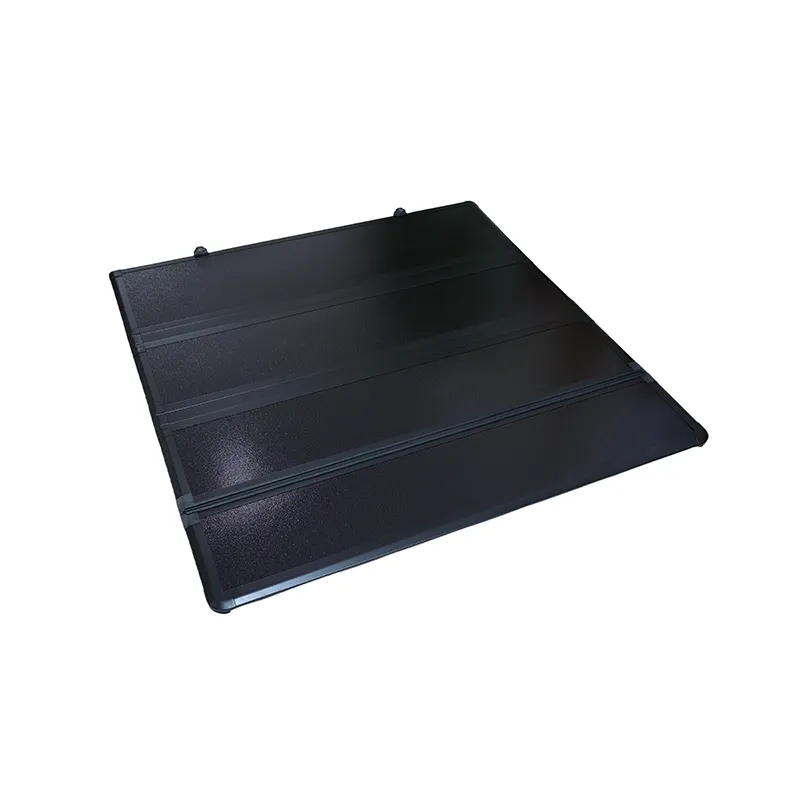
How Truck Bed Covers Reduce Aerodynamic Drag
The Science: Why Open Truck Beds Create High Drag
Truck beds left open create a lot of wind resistance because of all the messy airflow around them. When driving down the highway, air rushes into these empty spaces and creates those annoying swirls and pressure drops that basically tug the vehicle backward, making the engine work harder than it needs to. According to research from the US Department of Energy back in 2024, this so-called parachute effect eats up about 48% of what we spend on fuel while cruising on highways. Several things contribute to this problem including air getting stuck in pockets which creates drag, messed up airflow patterns increasing the drag coefficient, and how the tailgate sits actually makes things worse by causing more turbulence. Studies by SAE have found that trucks with their beds uncovered burn between 5 to 15% more fuel when going between 50 and 70 miles per hour compared to vehicles with properly sealed cargo areas.
Wind Tunnel Evidence: Measured Cd Reductions Across Covered Configurations
Wind tunnel testing confirms that well-designed truck bed covers substantially reduce aerodynamic drag. By smoothing the transition from cab to tailgate, they guide airflow cleanly over the bed–eliminating vortex formation and stabilizing pressure distribution. Independent testing shows:
- Average drag reduction: 5–10% across cover types
- Cd improvements: Low-profile hard covers lower Cd by 0.02–0.05 units
- Fuel impact: Every 10% reduction in Cd yields ~5% highway fuel economy gains
Hard folding covers deliver the most consistent Cd improvements due to their rigid, gap-free surfaces.
When Design or Fit Undermines Performance: Cases Where a Truck Bed Cover Increases Drag
Not all covers improve aerodynamics. Poorly engineered or improperly installed models can increase drag by introducing new disruptions:
- Elevated profiles above bed rails create unintended bluff-body effects
- Gaps and misalignment allow air intrusion, generating localized turbulence
- Bulky mechanisms, such as exposed retractable tracks or hinge assemblies, act as drag-inducing protrusions
Wind tunnel analysis shows ill-fitting covers can raise Cd by up to 3% versus an open bed–especially at speeds above 65 mph. Precision engineering and meticulous installation are essential for net aerodynamic benefit.
Comparing Truck Bed Cover Types by Aerodynamic Efficiency
Hard Shell Covers: Best Drag Reduction, Trade-offs in Weight and Access
Hard shell covers deliver the strongest aerodynamic performance, reducing Cd by 7–10% (SAE International, 2021). Their rigid, flush-mounted design eliminates turbulent air pockets and ensures seamless airflow continuity from cab to tailgate. However, this advantage comes with practical trade-offs:
- Added weight (50–90 lbs) reduces payload capacity
- Full-panel removal is required for complete bed access
- Installation demands greater technical precision than soft alternatives
Retractable and Folding Covers: Aerodynamics vs. Practicality at Highway Speeds
The retractable and fold away type of covers give about 5 to 7 percent better aerodynamics compared to standard ones, getting pretty close to what hard shell covers offer while still letting people reach into the bed partially. Covers made with aluminum frames or those stretched vinyl versions keep good airflow when going over 50 miles per hour, though how well they work really depends on how well they fit. If there are gaps between parts, if the fabric sags down somewhere, or if the seals don't line up properly, this can actually create more wind resistance maybe around 12 percent higher according to some tests done in wind tunnels. There are several things worth thinking about here.
- Retractable mechanisms encroaching on usable bed space
- Folding hinges introducing minor airflow discontinuities
- Vinyl materials requiring periodic tension adjustment to prevent high-speed flutter
*Cd = coefficient of drag
Real-World Performance: Top Truck Bed Cover Brands Tested for Wind Resistance
BAKFlip MX4 vs. TruXedo Lo Pro QT: Independent Highway-Speed Drag and MPG Data
Testing done by independent labs shows just how much the materials used and overall build affect actual aerodynamics when these covers are put to work. Take the BAKFlip MX4 for example it has those solid aluminum panels that create a smooth surface pretty resistant to turbulence which cuts down on drag coefficient by about 0.05 when going 70 miles per hour. On the flip side, the TruXedo Lo Pro QT with its soft vinyl tends to wiggle a bit at higher speeds letting some air sneak through and actually adds around 3% more drag compared to the harder covers. What does all this mean for drivers? Fuel savings make a real difference. The MX4 gives roughly 7% better highway mileage than an open bed, while the Lo Pro QT manages about 4%. Something important to remember though both types need proper installation. If the seals aren't lined up right on either model, drag can jump as much as 15% because of those annoying vortex effects from gaps. When facing crosswinds or speeds above 65 mph, hard covers keep performing consistently whereas the softer ones start showing noticeable declines in their aerodynamic properties.
Fuel Economy Gains from Reduced Wind Resistance with a Truck Bed Cover
Pickup trucks consume 12–17% more fuel at highway speeds without bed covers due to turbulent airflow in open beds (Cd: 0.4–0.6). Installing a properly fitted cover significantly reduces this penalty–hard covers lower Cd by up to 0.08 points (SAE International, 2021). Verified fuel economy outcomes include:
- 5–10% MPG improvement at 50+ mph (SAE, 2024)
- 7.3% average gain across a 1,200-vehicle fleet study (2023)
- Annual fuel cost savings of $450–$700 per vehicle
These gains stem primarily from eliminating the low-pressure vortices responsible for the “parachute effect.” While soft covers yield 5–8% improvements, rigid tri-fold designs optimize airflow control–delivering up to 12% savings at speeds exceeding 55 mph.
FAQ
What is the primary benefit of using a truck bed cover in terms of aerodynamics?
Truck bed covers reduce aerodynamic drag, thereby improving fuel efficiency by smoothing the airflow over the bed and eliminating vortex formation.
Do all truck bed covers improve aerodynamics?
No, not all covers improve aerodynamics. Poorly engineered or improperly installed covers can increase drag due to disruptions in airflow.
Which type of truck bed cover offers the best reduction in drag?
Hard shell covers provide the best drag reduction, reducing the coefficient of drag by 7–10%.
How does fuel consumption compare between trucks with and without bed covers?
Trucks without bed covers consume 12–17% more fuel at highway speeds compared to those with properly fitted covers.
What are common issues that can undermine the performance of a truck bed cover?
Common issues include gaps, misalignment, elevated profiles, and bulky mechanisms, which can increase aerodynamic drag.
Table of Contents
- How Truck Bed Covers Reduce Aerodynamic Drag
- Comparing Truck Bed Cover Types by Aerodynamic Efficiency
- Real-World Performance: Top Truck Bed Cover Brands Tested for Wind Resistance
- Fuel Economy Gains from Reduced Wind Resistance with a Truck Bed Cover
-
FAQ
- What is the primary benefit of using a truck bed cover in terms of aerodynamics?
- Do all truck bed covers improve aerodynamics?
- Which type of truck bed cover offers the best reduction in drag?
- How does fuel consumption compare between trucks with and without bed covers?
- What are common issues that can undermine the performance of a truck bed cover?