 EN
EN

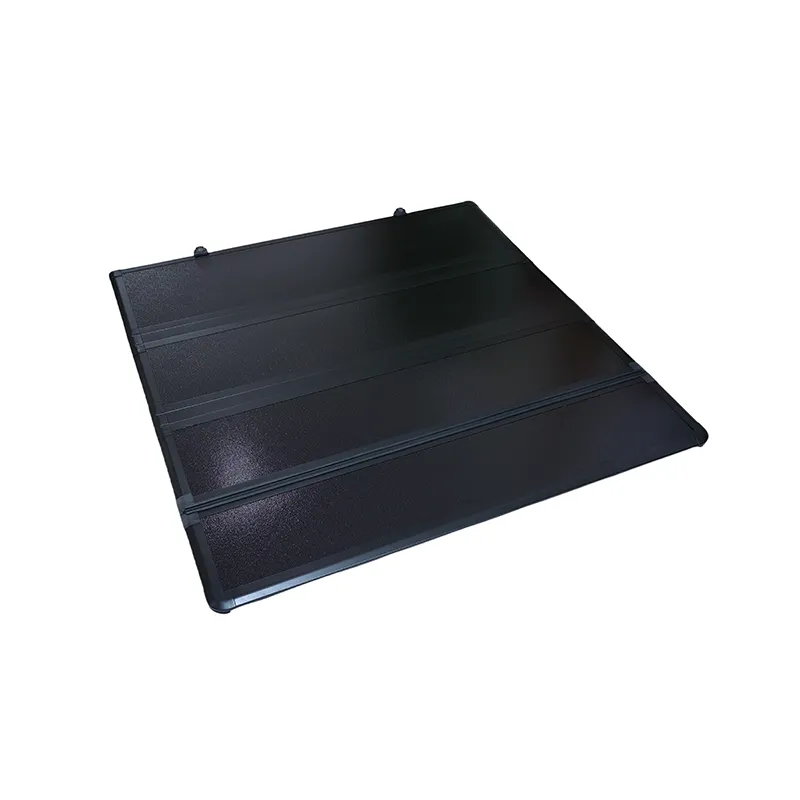
Tonneau Cover Strength: Materials, Load Ratings, and Real-World Durability
Aluminum vs. Fiberglass vs. Reinforced Plastic: Weight Capacity and Structural Integrity Comparison
What material goes into making a tonneau cover makes all the difference when it comes to handling heavy stuff. Aluminum stands out as top pick for most folks because it combines strength without being too heavy, plus it doesn't rust easily. Some premium aluminum covers can actually hold around 500 pounds without bending or warping after years of use. Fiberglass is another option that stays rigid, but it doesn't take impacts so well. We've seen cases where fiberglass cracks if something hits it hard or if there's extreme temperature changes. Then there's reinforced plastic stuff like HDPE which takes knocks pretty well, though these materials usually can't carry as much weight as aluminum. They tend to sag a bit when loaded down for long periods too.
| Material | Weight Capacity | Impact Resistance | Corrosion Resistance |
|---|---|---|---|
| Aluminum | 500+ lbs | High | Excellent |
| Fiberglass | 300–400 lbs | Low | Moderate |
| Reinforced Plastic | 200–350 lbs | High | Good |
Manufacturers enhance structural performance through strategic reinforcement–cross-bracing, hybrid alloy formulations, and precision-formed profiles–not just raw material selection. Independent testing by the Transportation Safety Lab (2023) confirms that top-tier aluminum covers retain full structural integrity after 10,000+ simulated stress cycles, underscoring their suitability for demanding, repeat-use applications.
Beyond the Label: Interpreting Static vs. Dynamic Load Ratings for Heavy-Duty Use
The numbers listed as static load ratings basically tell what something can hold when nothing is moving around it at all. But let's face it, these stats don't really apply to actual trucking situations where things are constantly shifting. Dynamic load ratings give a better picture since they factor in all those little annoyances we deal with on the road every day like bumps, sudden stops, and side to side movement while driving. Most of the time, these dynamic numbers end up being about half of what the static rating claims. Take a cover that says it handles 500 pounds sitting still? Well, throw it onto a moving vehicle and it might struggle with just 200 or so pounds before problems start showing up. Going beyond those dynamic limits isn't just risky business either. Hinges tend to wear out faster, panels get warped over time, and seals simply fail more often. This happens especially bad when transporting heavy stuff that isn't balanced properly across the bed, think big stacks of wood or awkward machinery pieces.
Looking at actual field data from commercial trucking operations reveals an interesting pattern. Covers that stay within around 80% of their rated dynamic capacity tend to last pretty well, maintaining about 92% functionality even after five years on the road. But when operators routinely push beyond these limits, things start breaking down much faster. Studies indicate mechanical components wear out three times quicker under such conditions, based on findings published in the latest Commercial Fleet Report. Before installing any cover for critical transportation tasks, it makes sense to ask manufacturers for both static and dynamic load specs. Better yet, check if these certifications have been independently verified by third parties. This extra step can save headaches later when equipment fails unexpectedly during important deliveries.
Top Heavy-Duty Tonneau Covers: Performance, Design, and Verified Payload Support
BAK Revolver X4S – Dual-Layer Aluminum Construction and Adaptive Load Distribution
The BAK Revolver X4S uses dual layer aluminum slats in an interlocking pattern that spreads out pressure evenly across the whole bed surface area. This helps avoid those annoying stress spots we often see with standard single panel covers, something that matters a lot when hauling odd shaped stuff or heavy items like steel pipes and construction gear. Independent tests show this cover can handle well over 400 pounds even when things are bouncing around during transport, which makes sense why so many professionals consider it among the rare covers actually built for real world work site demands.
UnderCover Elite LX – Hydraulic Lift Assist and 500-lb Certified Static Load Rating
The UnderCover Elite LX features a thermoformed polymer core with aluminum crossmembers added for reinforcement, and it meets the 500 lb static load standard according to ISO 27956:2019. What really stands out is the hydraulic lift mechanism that makes lifting super smooth even when carrying maximum weight. The outer shell has a matte finish that just doesn't show scratches or wear from all the daily tool handling most workshops endure. While designed primarily for keeping things stored in place like pallets of inventory or shop tools, this case can actually handle some movement too if everything is properly fastened down first.
Operational Compatibility for Heavy-Duty Work: Toolboxes, Oversized Loads, and Bed Access
Seamless Integration with Bed Toolboxes and Stake Pocket Clearance Requirements
When choosing a heavy duty tonneau cover, it needs to work with what's already in the truck bed instead of getting in the way of other gear. Most folks run into problems when their bed mounted toolbox sits too close to the cover rail. The general rule of thumb is leaving about 3 to 5 inches of space between the top of the toolbox and where the cover attaches so nothing gets stuck when opening or closing. Stake pockets matter too because nobody wants their tie down anchors blocked by bulky clamps. Low profile mounting systems are best for this reason. Retractable and tri fold covers tend to give drivers the most freedom since they can open completely no matter where tools are stored. Higher end models sometimes come with special segmented panels that lift separately around obstacles, keeping everything watertight but still letting people grab whatever they need from the bed. Before buying anything though, measure twice. Check those toolbox heights against the cover specs and make sure the clamp system won't interfere with existing stake pockets on the truck.
Security Features That Match Heavy-Duty Cargo Value: Locking, Tamper Resistance, and OEM Integration
Security matters when moving expensive tools, electronic gear, or specialty equipment around. The best quality tonneau covers come with multiple lock points that attach right to the truck bed rails themselves, making them much harder to pry open compared to those simple latches most people install. These covers are built to show if someone tries getting in. They have hidden hinges, stronger edges on the panels, and special fasteners that break away instead of giving way quietly. What really makes a difference though is when these covers work with the truck's own security system. When someone tampers with the cover, it sets off the alarm just like touching the wrong part of the vehicle would. Workers can open and close the cover using their truck keys without ever having to reach for another device. And there's always an indicator light showing whether everything remains secure or not. This kind of integration turns what was once just something covering cargo into a real security feature for job sites everywhere.
FAQ
What materials are best for high-capacity tonneau covers?
Aluminum is often considered the best material for high-capacity tonneau covers due to its excellent weight capacity and corrosion resistance.
How do static and dynamic load ratings affect tonneau cover performance?
Static load ratings indicate the weight a cover can hold when stationary, while dynamic load ratings account for moving conditions. Covers generally support about half their static rating when in motion.
What should I consider for operational compatibility with my tonneau cover?
Consider space for bed toolboxes and stake pocket clearance. Low profile mounting systems and covers that allow full access are ideal.
How do tonneau covers integrate with truck security systems?
Some high-quality covers include locking points that integrate with a truck’s security system to enhance cargo protection.
Table of Contents
- Tonneau Cover Strength: Materials, Load Ratings, and Real-World Durability
- Top Heavy-Duty Tonneau Covers: Performance, Design, and Verified Payload Support
- Operational Compatibility for Heavy-Duty Work: Toolboxes, Oversized Loads, and Bed Access
- Security Features That Match Heavy-Duty Cargo Value: Locking, Tamper Resistance, and OEM Integration
- FAQ