 EN
EN

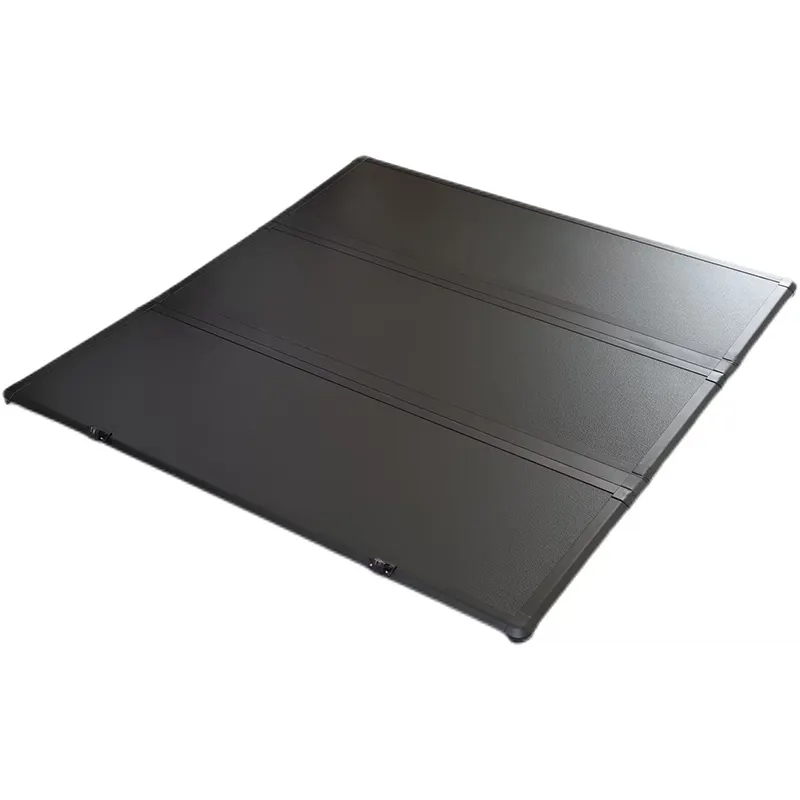
Wind Resistance: How Rolling Shutter Covers Withstand Hurricanes and Gales
Rolling shutter covers provide critical protection against extreme winds, with their performance grounded in standardized testing and real-world validation. Compliance ensures these systems defend properties effectively in high-risk areas.
Wind Load Ratings, ASTM E1234 Compliance, and Real-World Failure Thresholds
The wind load rating basically tells us how much force a rolling shutter cover can take before it starts to bend or deform. According to ASTM E1234 from 2023, these ratings are set for winds going up to around 150 miles per hour, which would be similar to what we see in Category 4 hurricanes. Most shutters that meet this standard should hold up fine against those kinds of forces without collapsing structurally. However, when we run computer simulations, we start seeing some issues when winds reach about 180 mph. The shutters might still stand but could become damaged or stop working properly. Looking at real world data after storms has shown something interesting too. About 85 percent of shutters built to the ASTM E1234 specs continue to work just fine even during strong winds over 130 mph, including keeping out flying debris from broken windows and other objects.
Lessons from Hurricane Ian: Field Performance of Aluminum vs. Steel Rolling Shutter Covers
When Hurricane Ian hit in 2022, it gave us some pretty telling results in the real world. Aluminum rolling shutters warped about 30% less than their steel counterparts when exposed to those relentless 130+ mph winds. Sure, steel has better tensile strength, but what we saw was that its heavier weight and stiffness actually made it more prone to dents from flying debris during the storm. And this wasn't just cosmetic damage either. About 15% of the steel shutters jammed completely or overloaded their motors, leaving homeowners vulnerable. What makes aluminum stand out? Well, it bends rather than breaks, expands less in heat changes, and doesn't corrode as easily. These characteristics translated into far fewer problems for residents along Florida's coast who had aluminum shutters installed, making them a smarter choice for areas regularly threatened by hurricanes.
Thermal & UV Resilience: Long-Term Durability of Rolling Shutter Covers in Heat and Sunlight
Material Behavior Under Sustained Heat (>40°C): Warping, Seal Degradation, and Operational Reliability
When temperatures stay above 40 degrees Celsius for extended periods, rolling shutter covers start showing signs of wear through several connected problems. First, thermal expansion causes profile distortion, particularly noticeable in pure aluminum components. Second, the rubber seals degrade much faster under these conditions, cutting down their weatherproofing capability by roughly a quarter each year. And third, the lubricants in the gear systems break down over time. Cold weather brings its own set of issues too. As temperatures fall below freezing, metal parts actually shrink about 0.3 millimeters for every ten degree drop, which can lead to binding issues when trying to operate the shutters. Field tests conducted across the Mediterranean region have shown something interesting though. Shutters made from thermally stabilized aluminum with reinforced frames and special heat resistant rubber materials tend to fail operationally about two thirds less frequently during extreme heat events than regular steel models. This matters because...
- Jamming frequency rising 40% after cumulative exposure exceeding 500 hours at >40°C
- Seal compression loss reaching 15–20% within 18 months of continuous summer operation
- Motor overloads increasing threefold during peak thermal expansion cycles
UV Exposure Effects on Polymer Components (Nylon Rails, PVC End Caps) in Rolling Shutter Covers
Ultraviolet radiation causes significant damage to polymer parts, especially those made of nylon for guide rails and PVC for end caps. The impact strength drops around 55%, while colors fade at about five times the rate when exposed to heat alone. According to findings published last year in the Polycarbonate UV Protection Study, special coatings that mix both absorbers and stabilizers can dramatically improve durability outdoors. These protective layers keep things working properly and maintain shape stability too. Components treated this way hold onto roughly 95% of their original impact resistance compared to only about 45% for parts without any protection. Field tests conducted in desert conditions show that nylon rails and PVC end caps with these coatings stay completely functional for well over eight years without showing signs of cracking or becoming brittle.
Cold-Climate Performance: Rolling Shutter Cover Functionality Across Freeze-Thaw Cycles
Low-Temperature Challenges: Lubricant Embrittlement, Gearbox Integrity, and Manual Operation Below –15°C
When temperatures drop below -15°C, problems start showing up in rolling shutter covers. Regular lubricants get all thick and brittle, creating those annoying friction spots that wear down tracks and rollers faster than normal. The metal parts contract too, putting stress on gears and shafts which can lead to tiny cracks forming when the mechanism moves. Manual overrides become a real pain in cold weather too. Frozen components need three times the usual force to activate according to a study from the Industrial Hardware Journal last year, making emergency situations dangerous for anyone trying to operate them. Smart manufacturers tackle these challenges by switching to special synthetic lubricants good down to -40°C, building gear housings out of aluminum with built-in space for thermal contraction, and adding insulation plus anti-icing treatments to manual release handles. After running through dozens of freeze-thaw cycles, equipment with these modifications fails only 32% as often as standard models, keeping things working properly even when winter storms hit hard and stay for weeks.
Material Comparison: Which Rolling Shutter Cover Type Delivers Optimal Multi-Hazard Durability?
The choice of material makes all the difference when it comes to standing up against nature's extremes like hurricanes, scorching heat waves, and freezing temperatures. Aluminum stands out for how well it handles corrosion and stays stable under heat. It doesn't really warp much even when temps hit over 40 degrees Celsius, plus it fights off salt air damage naturally without needing extra coatings. The fact that aluminum is so light means less stress on machinery parts during those constant freeze-thaw cycles that can wear things down over time. Steel definitely holds its own when facing hurricane force winds over 150 miles per hour, but unless it gets special galvanized or stainless treatment, it just won't last long in damp areas or near the coast where rust becomes a problem. Both metals work reasonably well in cold conditions if we pair them with proper lubricants designed for freezing weather and incorporate some smart design elements. Still, aluminum tends to offer the best mix of strength relative to its weight, ability to handle different climates, and lower maintenance needs in the long run.
| Material | Wind Resistance (150+ mph) | Thermal Stability (>40°C) | Cold Performance (< -15°C) | Corrosion Resistance |
|---|---|---|---|---|
| Aluminum | Excellent | Minimal warping | Low embrittlement risk | High (inherent) |
| Steel | Superior impact resistance | Moderate expansion | Moderate embrittlement | Medium (coating-dependent) |
FAQ
What is the ASTM E1234 standard?
The ASTM E1234 standard outlines the requirements for the wind load rating of rolling shutter covers, indicating the maximum wind force these covers can withstand. For 2023, the standard covers winds up to 150 miles per hour, equivalent to Category 4 hurricane forces.
Which material is better for rolling shutters, aluminum or steel?
While both materials have their strengths, aluminum is generally better in terms of weight, corrosion resistance, and overall durability in diverse climates. Steel provides superior impact resistance but is more prone to corrosion unless specially treated.
How do rolling shutter covers perform in extreme temperatures?
When exposed to extreme temperatures like prolonged heat over 40°F or severe cold below -15°F, issues such as thermal expansion, seal degradation, and operational challenges can arise. Specially modified components and materials can help minimize these problems.
Table of Contents
- Wind Resistance: How Rolling Shutter Covers Withstand Hurricanes and Gales
- Thermal & UV Resilience: Long-Term Durability of Rolling Shutter Covers in Heat and Sunlight
- Cold-Climate Performance: Rolling Shutter Cover Functionality Across Freeze-Thaw Cycles
- Material Comparison: Which Rolling Shutter Cover Type Delivers Optimal Multi-Hazard Durability?
- FAQ