 EN
EN

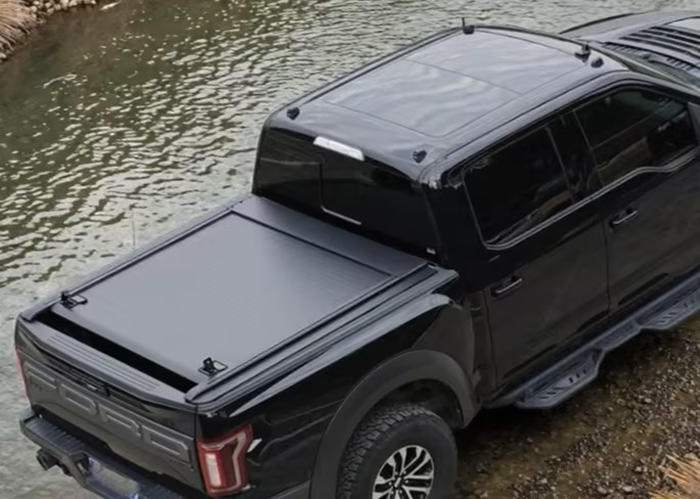
Key Advantages of a Soft Roll-Up Tonneau Cover
Effortless Full-Bed Access and Daily Usability
Soft roll-up tonneau covers really stand out when put to the test in everyday situations. Just release those latches and push the cover back toward the truck cab, and suddenly the whole bed is open for business without needing to take anything apart first. Makes life so much easier for folks who need to load up tools, stockpile groceries, or haul outdoor gear regularly. The material itself is pretty impressive too. Made from high quality vinyl that stays pliable even when temps drop below freezing. And don't worry about rainwater collecting on top either. Those reinforced seams plus good tension across the cover keep everything dry and create a solid seal that holds up fine at highway speeds without flapping around annoyingly.
Clamp-On Installation and Zero-Drill Convenience
The setup process requires minimal tools and doesn't mess with anything on the truck. Just grab those adjustable clamps and attach them securely to the existing bed rails using regular household tools. Most folks get it done in less than half an hour without breaking a sweat. There's absolutely no need for drilling holes, making cuts, or doing anything that would void the manufacturer's warranty or hurt the vehicle's future value. When it comes time to remove everything, just take off the clamps and there won't be any unsightly marks or holes left behind. Plus, this system works well with pretty much every kind of bed liner out there and plays nice with all sorts of aftermarket additions people like to install later on.
Fuel Efficiency Gains and Lightweight Design Benefits
Soft roll up covers help smooth out airflow across open beds, which cuts down on aerodynamic drag. Tests from SAE International show these covers can actually cut resistance by around 20 percent and boost highway fuel economy somewhere between 5 to 10 percent. Weighing in at just 25 to 40 pounds typically, they don't add much extra weight compared to those heavy duty hard shell options that eat into cargo capacity. Plus, the vinyl material doesn't absorb as much heat, so it stays flat even when temperatures climb during summer months. This means the covers perform reliably throughout all seasons without warping issues that plague some other materials.
| Factor | Impact | Benefit |
|---|---|---|
| Drag Reduction | Up to 20% less air resistance | 5–10% better highway MPG |
| Weight Savings | 60–80% lighter than hard covers | Preserves payload capacity |
| Material Flexibility | Contours precisely to bed shape | Maintains seal and weather protection at speed |
Ideal Use Cases for a Soft Roll-Up Tonneau Cover
Budget-Conscious Buyers Seeking Entry-Level Protection
Soft roll up tonneau covers are probably the easiest way to get started with protecting a truck bed. They cost around half what the hard folding ones do, yet still hold up pretty well against rain, dust, and random folks trying to grab stuff when parked somewhere overnight. The best part? Most people can install these themselves without paying someone else to do it. That makes them ideal for new truck buyers on a budget, weekend warriors who only need coverage occasionally, or businesses looking to equip several trucks without breaking the bank. While serious security situations might require something better, these covers generally do the job for regular cargo protection needs most of the time.
Light-to-Moderate Duty Applications (e.g., Groceries, Spare Tire, Weekend Gear)
When it comes down to getting things done versus needing something super tough, these covers really work their magic. They keep groceries dry, protect tools during transport, guard camping stuff against rain, and even shield a spare tire from bad weather all without making the truck heavier or harder to handle. A recent look at truck accessory trends showed that around 8 out of 10 owners managed to keep their weekend supplies and car necessities safe during those long drives over the weekend. What makes them so handy is how quick they roll back when needed. Just a few seconds and the whole bed opens up, which is great for people making deliveries in city traffic or folks who suddenly need to carry something big. But if someone's moving around industrial machinery, delicate computer parts, or anything that needs temperature control, there are better options available for those situations.
Material Performance and Environmental Limitations
Vinyl Durability in Rain, Sun, and Freeze-Thaw Cycles
Good quality vinyl covers will keep water out most of the time if they're pulled tight enough, so rain and snow just slide right off. But leave them in direct sunlight for too long and the surface starts breaking down faster. What really takes its toll though are those constant freeze-thaw cycles, especially when temps drop below minus 20 degrees Fahrenheit. Most manufacturers try to combat these issues with double stitching on seams, heat welding around the edges, and adding some UV stabilizers into the mix. Still, vinyl just isn't built for super cold conditions where it gets brittle and cracks easily. Applying a top notch protectant every three months or so adds about a year or two to how long the cover lasts according to what various material testing labs have found over the years.
UV Degradation, Moisture Management, and Longevity Trade-Offs
Sunlight is really what cuts down on how long these covers last. Even when manufacturers stabilize the vinyl material, it still tends to lose around 30 to 40 percent of its tensile strength after just three to five years in direct sun. And then there's water getting trapped underneath if the cover isn't draining properly, which can lead to mold growing on those metal frames we all know and love. That's why most people find their soft roll-up covers lasting somewhere between five and seven years normally. Of course, this lifespan comes with compromises made during manufacturing decisions about materials and design choices that affect both durability and cost.
- UV Resistance: Gradual fading, surface embrittlement, and reduced flexibility
- Thermal Stress: Repeated expansion/contraction contributes to fastener fatigue over time
- Condensation Control: Requires periodic airing or breathable cargo mats to manage humidity
Strategic shade parking and routine maintenance help extend service life—but cannot fully offset these inherent material constraints relative to rigid alternatives rated for 10+ years.
Security, Durability, and Realistic Expectations
Roll up tonneau covers do a decent job keeping out rain, dust, and sunlight most days, though they won't stop determined thieves. These covers hold up pretty well against light showers and regular UV exposure when used normally. But there are real limitations because they're made of vinyl material. Most folks find that after about three to five years, the cover starts showing signs of aging like color fading, becoming stiff, or developing stress at the seams which affects how it works. They can handle normal temperature changes without issue, but leave one in freezing conditions for too long or park under direct sunlight all day and wear happens faster than expected. For budget minded truck owners looking for something easy to operate and provides basic weather protection rather than military grade security, these covers still get plenty of love throughout North American pickup communities despite their shortcomings.
FAQs on Soft Roll-Up Tonneau Covers
How do soft roll-up tonneau covers improve fuel efficiency?
Soft roll-up covers help reduce aerodynamic drag by smoothing airflow over an open truck bed, potentially improving highway fuel economy by 5% to 10%.
What tools are necessary for installing a soft roll-up tonneau cover?
Most installations require only basic household tools like adjustable clamps, and the process can be completed without drilling or cutting.
How long do soft roll-up tonneau covers typically last?
When maintained properly, these covers usually last between five to seven years, though exposure to sunlight or extreme weather can affect longevity.
Can a soft roll-up tonneau cover protect my belongings from theft?
While they offer basic protection against elements like rain and dust, they are not designed to prevent theft from determined individuals.