 EN
EN

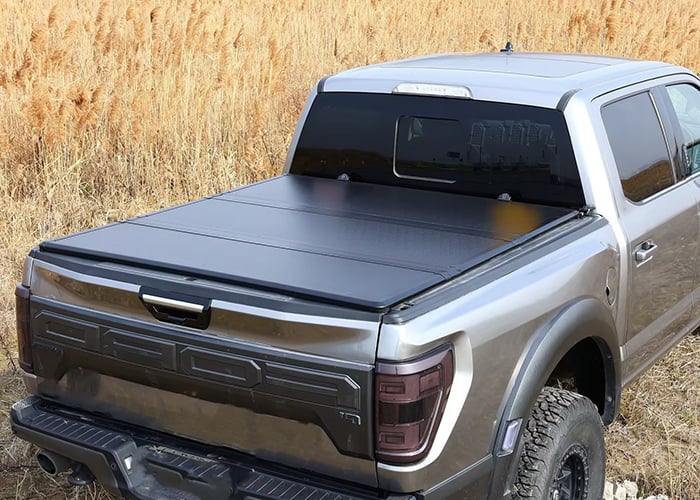
Why Waterproof Truck Cover Performance Is Critical for Cross-Border Logistics
Cargo damage surge in humid transit corridors: Lessons from ASEAN—EU routes (IATA 2023)
The humid transportation routes connecting ASEAN countries with Europe put cargo at serious risk from moisture problems. According to recent data from IATA, there was actually a 23 percent increase in freight damaged by water during last year's monsoon season. What's interesting is how this jump seems closely linked to poor performance of standard waterproof truck covers on those long hauls that can last over 45 days across continents. When tropical humidity gets into play, it really speeds up the breakdown of materials in regular covers. This leads to seams failing and allowing electronic goods and fabrics to get damaged by condensation forming inside. Looking at studies along the ASEAN-EU trade route, researchers found out that around two thirds of all damaged shipments had been covered with truck covers that didn't have proper multi-layer lamination. That turns out to be a big problem when moving through those hot, moist equatorial regions. Covers designed properly stop those tiny leaks that eventually lead to mold growing on medicines and rust developing on car components, which helps keep entire supply chains intact for wholesale operations.
IPX4 vs. IPX6 waterproof truck cover ratings and their real-world impact on EU customs clearance
The water resistance ratings such as IPX4 and IPX6 basically tell us how well cargo stays dry when moving across borders. Covers rated at IPX4 can handle some splashing water but tend to let water through during those long periods of heavy rain we often see on North Sea routes. Truck covers with IPX6 certification are different though they actually stand up to strong water jets without leaking, so they work better in those sudden highway storms that catch everyone off guard. The difference matters a lot for getting through EU customs checkpoints. Last year, around 31% of shipments with just IPX4 protection got delayed because moisture sensors went off, alerting officials to possible contamination issues according to old EC regulation 450/2008 that labels wet cargo as compromised goods. Big shipping companies that switched to IPX6 covers noticed about 17% fewer problems at borders, which means less paperwork headaches and money saved on unexpected storage costs.
Material Selection for Bulk Export: Balancing Durability, Climate Resilience, and Cost
PVC, polyethylene, and laminated polyester compared: Tensile strength, cold-crack resistance, and service life
When picking out material for waterproof truck covers, there are basically three main factors to consider when looking at different plastics. PVC is pretty affordable and has decent strength around 15 to 25 MPa, but it gets really stiff and prone to cracking when temperatures drop below minus ten degrees Celsius. That makes it risky for trucks traveling through mountain passes during winter months. Polyethylene handles the cold much better, staying flexible down to minus forty degrees, plus it resists chemicals well. However, it doesn't hold up so great against UV exposure, which means covers made from this material might need replacing sooner if used in hot, sunny areas. Laminated polyester stands out with amazing tensile strength ranging between 50 and 70 MPa, plus these covers typically last between eight to ten years before needing replacement. While they come with a higher price tag, many logistics companies find them worth the investment when transporting valuable goods where cover integrity matters most.
| Material | Tensile Strength (MPa) | Cold-Crack Threshold | Service Life (Years) |
|---|---|---|---|
| PVC | 15â25 | â10°C | 3â5 |
| Polyethylene | 20â30 | â40°C | 5â7 |
| Laminated Polyester | 50â70 | â50°C | 8â10 |
When it comes to cross border wholesale operations, polyethylene stands out as a good middle ground. The material doesn't crack or break when temperatures fluctuate at those mountain border crossings, which is a real problem for many alternatives. Plus, since polyethylene doesn't react chemically with most substances, it meets all those tricky international regulatory requirements that keep changing. For bulk exporters looking at long term costs, there's something worth knowing about polyethylene. Sure, it costs around 17 percent more upfront compared to PVC, but what matters more is how much longer it lasts. In those humid areas where goods move between ASEAN countries and Europe, we're seeing replacement needs drop by roughly 40 percent over time. That kind of durability makes all the difference in maintaining consistent supply chains without constant interruptions for repairs or replacements.
Certification Compliance: Non-Negotiable Requirements for Waterproof Truck Cover Imports
REACH, RoHS, and EN 13501-1 fire classification â avoiding shipment rejection at EU borders
The European Union has strict rules about chemicals and fire safety when it comes to products coming into the country. For those waterproof covers used on trucks, there are basically three must-have certifications that cannot be skipped: REACH deals with registering and controlling dangerous chemicals, RoHS looks after restricting harmful substances, and then there's EN 13501-1 which tests how materials react to fire. The REACH regulation actually covers around 224 different hazardous substances that tend to show up in things like polymer coatings and waterproofing treatments. Meanwhile RoHS focuses on keeping out stuff like lead and mercury from any electronic parts in automated cover systems. And let's not forget about EN 13501-1 certification for fire resistance since these covers sit so close to hot engine compartments. At minimum, they need to meet Class E standards where flames don't spread too quickly. Products that fail these requirements get rejected right away at EU border checkpoints. Interestingly enough, textiles imported without proper documentation face inspections almost 23 percent more frequently compared to regular goods. Before sending anything over, make sure to get those test results from labs accredited under ISO/IEC 17025 standards.
ISO 22301 and supply chain continuity: A strategic advantage for Tier-1 wholesale partnerships
ISO 22301 for business continuity management goes beyond just product certifications and actually makes supply chains much more resilient in practice. The standard basically checks if manufacturers can keep running when things go wrong, whether it's a shortage of raw materials or problems getting stuff delivered. Bulk importers who work with waterproof truck cover suppliers that have this ISO 22301 certification see around a 40% drop in stockouts during busy periods. Big name logistics companies are starting to ask for this certification because it shows they really know what they're doing when operations hit rough patches. Companies that get verified tend to fulfill orders about 30% quicker during supply chain emergencies. This speed advantage helps them land better deals and builds real trust with customers who want to know their backup plans aren't just theoretical but actually tested and ready.
Optimizing Bulk Sourcing of Waterproof Truck Covers for Global Distribution
MOQ, lead time, and duty strategies: How 500-unit orders cut landed cost by 11.4%
When companies start grouping their waterproof truck cover orders into 500 unit batches, they see a pretty substantial drop in what it actually costs to get those products on their shelves. The first big savings comes from ordering bigger quantities at once. Manufacturers typically charge less per item when someone buys in bulk, something like 8 to 12 percent cheaper because they can negotiate better prices on materials and make better use of their production lines. Then there's the timing factor. Waiting 60 to 90 days before getting products means factories can schedule production during slower periods and ship everything together via sea freight instead of multiple smaller shipments. This alone cuts down on shipping costs around 15%. And let's not forget about customs duties either. Smart businesses take advantage of trade deals between ASEAN countries and the EU, plus store inventory in bonded warehouses to avoid paying those extra 6.5% tariffs most companies face. According to some research published last year in the logistics industry, all these strategies combined bring down overall import costs by about 11.4% compared to smaller, more frequent shipments. What's interesting is that despite these longer wait times, distributors still manage to keep up with customer demand thanks to improved forecasting tools and better inventory management practices.
FAQs
1. What is the critical difference between IPX4 and IPX6 rated truck covers?
IPX4 covers can resist splashes but are prone to leakage during prolonged rainfall, whereas IPX6 covers can withstand strong water jets, making them more reliable during sudden heavy storms.
2. Why is laminated polyester preferred over PVC or polyethylene for waterproof truck covers?
Laminated polyester offers superior tensile strength, longer service life and better integrity, making it ideal for transporting valuable goods despite being costlier.
3. What certification is essential for importing waterproof truck covers into the EU?
REACH, RoHS, and EN 13501-1 certifications are crucial to ensure compliance with EU regulations regarding chemical use and fire resistance.
4. How do bulk orders help reduce the cost of waterproof truck covers?
Ordering in bulk lowers production and shipping costs due to economies of scale, leading to a significant reduction in overall landed costs.
Table of Contents
- Why Waterproof Truck Cover Performance Is Critical for Cross-Border Logistics
- Material Selection for Bulk Export: Balancing Durability, Climate Resilience, and Cost
- Certification Compliance: Non-Negotiable Requirements for Waterproof Truck Cover Imports
- Optimizing Bulk Sourcing of Waterproof Truck Covers for Global Distribution