 EN
EN

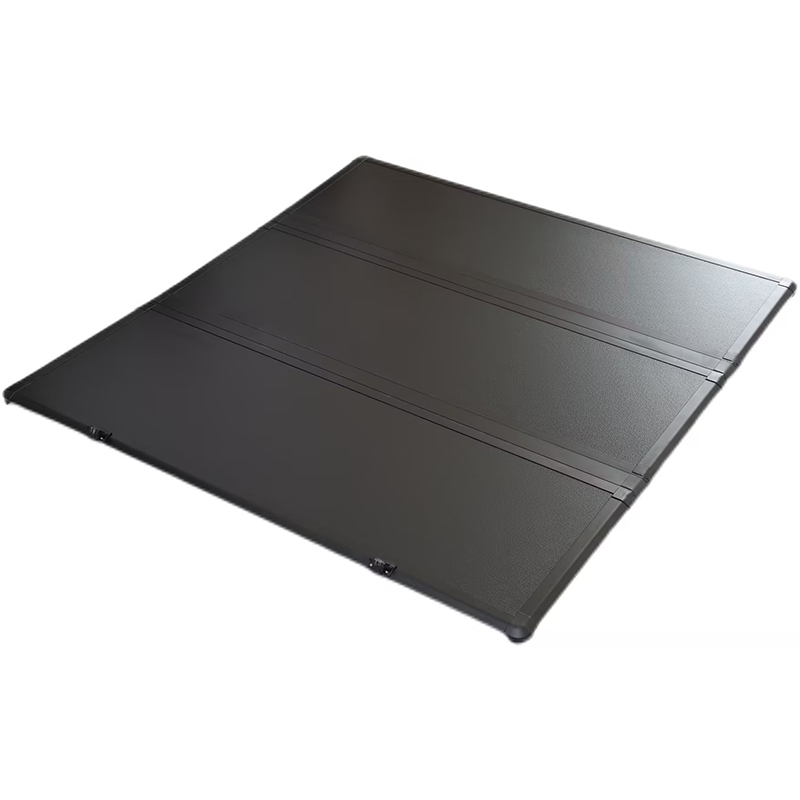
Understanding 'Waterproof' for Truck Bed Covers: Standards, Claims, and Reality
Waterproof vs. Water-Resistant: Why the Distinction Matters for Your Truck
When people talk about waterproof versus water-resistant, they're really talking about something that matters in practice, not just words on a label. Waterproof gear stays completely dry even when things get rough out there: think heavy downpours, wind blasting at highway speeds, or accidentally dropping something in water for a few seconds. Water resistant stuff will handle a drizzle or two, but it breaks down fast when faced with serious weather conditions or situations where rain gets forced sideways against tiny gaps from strong winds. This makes all the difference for protecting valuable stuff like smartphones, expensive power tools, or important paperwork from getting ruined. Lab tests back this up too. Genuine waterproof seals hold up at around half a pound per square inch pressure, while most water resistant products start leaking somewhere around quarter psi mark. So next time you see those labels, remember what they actually mean for your gear.
IPX Ratings, ASTM D751, and Real-World Relevance for Waterproof Truck Covers
IPX ratings and ASTM D751 standards give us some kind of benchmark, though they really only tell part of the story. Take IPX7 for instance—it basically means something can survive being underwater for 30 minutes at about a meter deep. ASTM D751 looks at how well fabric coatings hold up against water pressure. But here's the thing: these tests happen in controlled environments that miss out on stuff like UV damage over time, crazy temperature swings from below freezing to scorching heat, or all those vibrations from bouncing around in a moving vehicle. Covers that pass IPX7 might still let water seep through when tossed onto a bumpy truck bed or hit by sideways rain during a storm. The smartest manufacturers actually test their products in the real world too. They run dynamic spray tests at highway speeds around 60 mph. Some field research found that only about 43 percent of covers certified under IPX standards stayed completely dry after going through a full year of different weather conditions. That statistic alone explains why actual performance on the road counts way more than just meeting lab requirements.
Critical Components That Determine Waterproof Truck Cover Performance
Seal Materials: EPDM, TPE, and Silicone Under UV and Temperature Stress
The type of seal material really determines how well something stays watertight over time. EPDM is great against ozone damage but gets pretty stiff when temps drop below -40 degrees Fahrenheit, which means there's a higher chance of leaks forming in cold weather areas. TPE is different though because it stays flexible even when temperatures swing from as low as -60 all the way up to 250 degrees F. That makes it handle sudden changes in climate much better than other options. Silicone works best where heat is involved since it doesn't break down until around 400 degrees F before showing signs of wear. None of these materials hold up well under sunlight unless they've been treated specially for UV protection. Without that treatment, regular seals tend to develop cracks after just 2 or 3 years sitting out in the sun, creating gaps where water can get through. The constant expanding and contracting from temperature changes puts stress on any seal too. Most industry standards demand that materials survive at least 100 complete cycles of heating and cooling without failing, otherwise those tiny gaps form and let moisture inside.
Rail Design and Clamp Integrity: Preventing Lift and Micro-Gap Formation
The way rails and clamps are designed really matters when it comes to keeping things waterproof. Rails that run continuously without joints help block those tiny spots where water might sneak in. Clamps need to hold tight across their whole surface so they can stand up against forces like wind blowing or vehicles speeding past. Believe it or not, even something as small as half a millimeter gap between parts can let water seep through when there's pressure involved. Some tests have found that better quality clamps with reinforcement cut down on lifting problems by around 80% compared to standard models. Over time though, most clamps will start to lose their grip naturally. That's why checking them regularly for proper tightness makes all the difference in maintaining that crucial seal. Skip this maintenance step and water finds its way in everywhere from the clamp area right down the whole length where the rail meets the seal.
Installation Precision: The Hidden Factor in Waterproof Truck Cover Reliability
Getting the installation right matters way more than most people realize when it comes to how well something actually stays dry in the real world. Most folks think about materials first, but according to industry reports, around 90% of all leaks happen because of poor installation rather than bad quality products. There are three main things that need to be spot on for proper sealing: making sure rails run parallel within an eighth of an inch tolerance along the entire bed length, applying consistent pressure across clamps with proper tools, and compressing those weather seals just enough so they deform between 30 to 40 percent. Small mistakes here can create tiny channels through which water finds its way past even top quality seals when rain hits hard. Factory testing doesn't account for what happens out in the field where dirt gets everywhere, temperatures fluctuate constantly, and truck beds aren't always perfectly flat either. That's why pros use lasers to check alignment and do actual water tests after installation, something regular mechanics usually skip over. Studies show that if those seals aren't compressed properly, water gets in twice as fast at highway speeds, which explains why sometimes two seemingly identical covers work great on one truck but fail completely on another.
Practical Verification Methods to Confirm Waterproof Performance
Controlled Rain Simulation and Pressure Mapping for Realistic Leak Detection
Rain simulations controlled through calibrated nozzles that mimic heavy storms have become the go to method for checking if something is truly waterproof. Combine this with pressure mapping techniques and we can apply specific forces right where they count most - along those tricky seams, around rails, and against various seals. The process uncovers tiny leaks that would never show up during regular inspections. Most professionals rely on ASTM D751 standards when testing fabrics with coatings. According to a study from industry experts back in 2023, following these guidelines gets us about 95% accurate results. What makes this method so valuable? It actually finds problems with how parts attach together, how gaskets sit properly, and whether seams stick well enough. These issues tend to appear only when things get subjected to real world conditions. Just looking at IPX ratings doesn't cut it because those numbers miss what happens during actual operation. Real testing gives manufacturers concrete evidence their products will hold up against severe weather situations.
Post-Installation Inspection Checklist for Long-Term Waterproof Integrity
Regular inspections keep waterproof systems performing well for years. Start by looking closely at all the seals, especially checking EPDM or TPE materials for signs of damage like cracks from sun exposure, becoming too hard, or losing their shape after being compressed. Don't just guess how tight the clamps are - use a proper torque wrench instead of relying on what feels right, since loose fittings can lead to gaps that let water in. For testing, do a quick spray check around rail connections and corners, watching carefully for any water getting through. Keep records each month about what's working and what isn't, paying special attention to whether drains are clear so water doesn't pool and cause problems later. Once a year, run full tests following ASTM D751 standards to spot issues with materials breaking down early. According to Maintenance Report 2023, this kind of regular maintenance can actually double the lifespan of these systems. What starts as simply buying something becomes an ongoing process of care and attention when done properly.
Frequently Asked Questions
What is the difference between waterproof and water-resistant truck covers?
Waterproof covers are designed to stay completely dry even in heavy downpours and challenging conditions. Water-resistant covers can handle lighter rain but may struggle with more severe weather.
How do IPX ratings and ASTM D751 standards help in choosing a truck bed cover?
IPX ratings and ASTM D751 standards provide benchmarks for waterproof performance but don't account for real-world conditions like UV exposure and temperature changes. It's crucial to consider actual road performance too.
Table of Contents
- Understanding 'Waterproof' for Truck Bed Covers: Standards, Claims, and Reality
- Critical Components That Determine Waterproof Truck Cover Performance
- Installation Precision: The Hidden Factor in Waterproof Truck Cover Reliability
- Practical Verification Methods to Confirm Waterproof Performance
- Frequently Asked Questions