 EN
EN

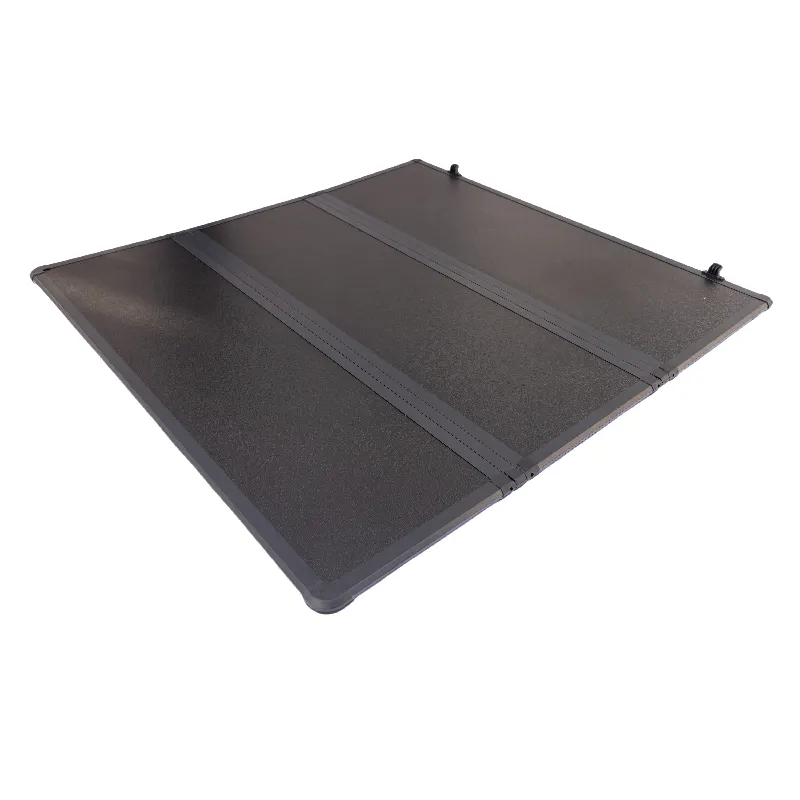
How Manual Locking Mechanisms Work on Tonneau Covers
Twist Latches, Cam Latches, and Sliding Bolts: Core Designs Explained
There are basically three types of manual locks used on tonneau covers, each with its own strengths. The twist latch system works by turning a knob that clicks into place against strike plates when rotated clockwise. These require someone to actually get into the truck bed to lock them properly. Cam latches function differently they have those spring loaded handles that snap onto rails when pressed down, giving both a sound and feel that lets users know it's securely fastened. Then there are sliding bolts which push metal bars into special slots for locking. Most models need a key for full security here, and since these locking points are hidden away, they tend to be harder for thieves to mess with. All these systems attach the cover firmly to either the truck bed rails or sides, stopping any unwanted movement. Twist and cam latches definitely win for quick operation, but if security is the main concern, sliding bolts made from tough steel offer much better protection against break-ins.
Multi-Point vs. Single-Point Engagement: Impact on Theft Deterrence
When it comes to security, the number of anchor points matters more than the type of latch used for securing covers to truck beds. Single point systems rely on just one central lock per section, which creates a weak spot that thieves can target with pry bars or apply concentrated force against. Multi point systems spread out the locking pressure across two, three, sometimes even four separate anchor points. To break into such a system would require disabling all those points at once, something most criminals aren't equipped for. Tests conducted by independent labs indicate these multi point setups can handle around three times the physical force compared to their single point counterparts, so breaking in becomes much harder work. According to data from the National Insurance Crime Bureau, roughly 74 percent of stolen truck beds were taken through quick forced entries, meaning this extra layer of resistance really does stop would be thieves cold. There's a catch though - installing multi point systems needs pretty exact alignment during setup, and accessing cargo takes about 15 to 20 extra seconds each time. Still worth it if paired with steel parts strong enough to hold off bolt cutters and angle grinders, which are common tools among professional thieves.
Powered and Remote-Controlled Locking for Modern Tonneau Covers
Motorized Slam-Lock Systems and Electronic Actuators
Slam lock systems with motor drive take away the need for hands-on operation since they use electric actuators that lock the lid as soon as it closes. The system has sensors that check where everything lines up before firing hardened steel bolts into those tough strike plates inside the frame. This whole process happens in about three quarters of a second, which is pretty quick considering how thieves might try to grab something when trucks stop briefly at loading docks. These automated locks keep pressure on the weather seals all the time, so there's better security against break-ins plus improved protection from dirt and moisture getting in. Some top end versions come with backup systems too. If someone cuts the electrical connection somehow, the mechanical deadbolts kick in automatically. Most units also have indicator lights showing whether they're locked or not, making mistakes less likely and giving everyone confidence that their cargo stays safe throughout transport.
OEM Tailgate Sync vs. Standalone Remote Operation
OEM integrated systems work with the truck's factory tailgate lock through the CAN bus network, so drivers can control everything with just one button press from their original key fob. The big plus here is that the tonneau cover will lock and unlock right along with the doors and tailgate at the same time. Why does this matter? Well, studies show about two thirds of truck bed thefts happen when someone gets into the tailgate area. But there's a catch. Installing these systems usually needs special diagnostic equipment found only at dealerships, and it might cause problems with warranties on newer trucks. Standalone remotes take a different approach altogether. These systems come with their own 2.4GHz transmitters, some even have Bluetooth for smartphones, and they don't rely on the truck's electronics at all. Best part? They work on any make or model year without needing programming. Plus, they keep working even if the tailgate gets serviced or replaced later on. That's why fleet managers love them for operations with mixed vehicle types. Just one remote can handle multiple covers without having to worry about matching specific vehicle configurations.
Tailgate-Integrated vs. Independent Locking Architectures
When picking between tailgate integrated and standalone locking systems, truck owners need to think about how easy something is versus how secure it really is. With integrated setups, the tailgate lock connects straight to the factory installed mechanism so whenever someone locks the tailgate, the cover gets locked too. That cuts down on mistakes people make but there's a downside if someone manages to break into the tailgate, they get full access to everything behind it right away. On the flip side, independent systems have their own separate locks either with keys or electronics that don't rely on the tailgate at all. This creates what some call a double barrier effect where thieves would need to crack both locks before getting anything. Security reports from last year showed these independent designs can slow down break-ins by around three to four minutes which might be just enough time for neighbors to notice or police to respond. The way these systems fit varies quite a bit too. Integrated options usually work best with certain trucks or need special controllers added later. Independent locks tend to go on almost any truck bed without issues though. If someone lives somewhere crime rates are high or carries expensive stuff regularly, going with independent locks makes sense for better protection. But for regular folks who mostly park their trucks in safe spots day to day, integrated systems still work fine most of the time without compromising basic security needs.
FAQ Section
What are the primary manual locking mechanisms used on tonneau covers?
The primary manual locking mechanisms for tonneau covers are twist latches, cam latches, and sliding bolts, each offering different levels of security and convenience.
Why is multi-point locking better for theft deterrence?
Multi-point locking systems spread locking pressure across several anchor points, making it harder for thieves to force open, compared to single-point systems.
How do powered and remote-controlled locking systems improve tonneau cover security?
Powered and remote-controlled systems like motorized slam-locks and electronic actuators provide speedy and secure locking, reducing manual errors and offering enhanced security against break-ins.
What is the advantage of OEM tailgate sync systems?
OEM tailgate sync systems integrate with the truck's factory tailgate lock, allowing synchronized locking of the tonneau cover and tailgate for streamlined security.
What is the difference between integrated and independent locking architectures?
Integrated systems lock with the tailgate, providing convenience; however, independent systems offer a more secure setup by creating a double barrier effect, requiring separate breaches.
Table of Contents
- How Manual Locking Mechanisms Work on Tonneau Covers
- Powered and Remote-Controlled Locking for Modern Tonneau Covers
- Tailgate-Integrated vs. Independent Locking Architectures
-
FAQ Section
- What are the primary manual locking mechanisms used on tonneau covers?
- Why is multi-point locking better for theft deterrence?
- How do powered and remote-controlled locking systems improve tonneau cover security?
- What is the advantage of OEM tailgate sync systems?
- What is the difference between integrated and independent locking architectures?