 EN
EN

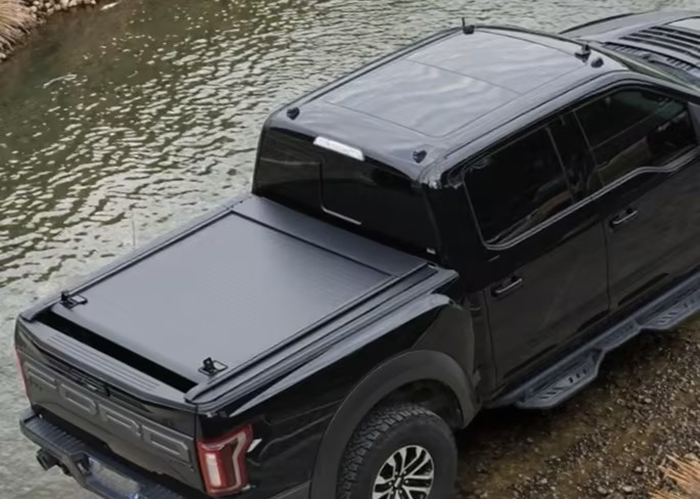
Waterproof Tonneau Cover Benefits for Cargo Protection
IPX4+ Ratings Explained: Real-World Sealing Against Rain, Snow, and Dust
Tonneau covers that have an IPX4+ rating offer good protection from rain, snow, dust particles, and those annoying road splashes. They seal up the truck bed pretty well thanks to how they're designed. Let's talk about those IP ratings for a moment. The IP stands for Ingress Protection, which basically tells us how resistant something is to stuff getting in. When looking at these ratings, we only really care about that second number (the X part). Tonneau covers don't need to worry about solid objects since they aren't tested against them anyway.
| IP Rating | Protection Level | Real-World Application |
|---|---|---|
| IPX4 | Splash resistance from all angles | Highway driving in heavy rain |
| IPX5 | Low-pressure water jets | Car washes or sustained storm exposure |
| IPX6+ | Powerful water jets & dust exclusion | Off-road use or blizzard conditions |
The best models on the market get their impressive waterproof ratings thanks to several clever design features. They usually have those thick rubber seals layered between components, rails that overlap each other like puzzle pieces, and built-in drains that push water off the surface rather than letting it pool. Some independent tests put these systems through their paces by blasting them with water at 15 liters per minute, which is basically what happens during a heavy downpour. The results? About 99% less water getting inside compared to standard models. And when water stays out, all sorts of problems disappear too cargo doesn't get soaked, metal parts stay rust free, and those nasty freeze-thaw cycles that crack paint and warp metal just don't happen anymore. Truck owners love this because it means less maintenance headaches down the road.
Fleet Case Study: 92% Drop in Weather-Related Cargo Damage After Installing Waterproof Tonneau Covers
A 36-month logistics fleet analysis across 47 trucks hauling electronics and temperature-sensitive perishables revealed dramatic operational improvements after switching to waterproof tonneau covers. Key outcomes included:
- Weather-related insurance claims dropped from 17 to 1.4 per month
- Monthly cargo spoilage costs fell by $8,200
- Winter fleet downtime decreased by 31%
The covers kept cargo dry during those long hauls across country, from the damp Gulf Coast all the way up to freezing temperatures in the north. This protection really helped maintain what was being transported and made things much easier when it came time to handle the loads. According to research by the Ponemon Institute back in 2023, companies actually saved over seven hundred forty thousand dollars each year because of this. So these high seal tonneau systems aren't just extra bits attached to trucks anymore. They've become essential parts for anyone serious about protecting their freight properly these days.
Aerodynamic Advantages of Tonneau Covers for Reduced Drag
CFD Evidence: 12–18% Lower Drag Coefficient with Properly Fitted Tonneau Covers
Studies using Computational Fluid Dynamics (CFD) indicate that good quality tonneau covers can cut down aerodynamic drag by around 12 to 18 percent on those big full size trucks. When left uncovered, air rushes into the truck bed creating all sorts of messy whirlpools that actually make things worse for fuel efficiency. A cover that sits flush against the truck turns the whole bed area into something smoother, letting air glide over the back of the cab without all that extra resistance. Real world tests on highways back this up too. At speeds around 65 miles per hour, folks who install their covers correctly see improvements in drag reduction somewhere between 5 and 10%. The catch though is how well everything fits together. Even small gaps where the cover meets the truck rails or if the seals get damaged somehow will start causing turbulence again and undo most of those benefits.
Pressure Flow Optimization: How Tonneau Covers Smooth the Rear Cab-to-Bed Transition
Putting a tonneau cover on a pickup truck really makes a difference for how air flows around it, mainly because it helps balance out those pesky pressure differences between the cab and the bed area. When trucks are moving down the road, there's actually a lot of high pressure building up right behind the cab window. Meanwhile, the open bed creates what engineers call a "low pressure dead zone." What happens next? Air gets forced down into this empty space, which causes all sorts of turbulence and drag issues. That's where tonneau covers come in handy. They fill in that gap so air can flow smoothly across the whole vehicle instead of getting stuck. According to some tests done in real world conditions, about 60 percent of the overall improvement in aerodynamics comes from just fixing this pressure problem. And when combined with other features that reduce those swirling vortices, these covers help trucks move through the air much more efficiently than before.
Fuel Efficiency Gains from Using a Tonneau Cover
Highway MPG Data: EPA-Backed 1.2–2.8 MPG Improvement on Full-Size Pickups (55–75 mph)
According to EPA verified tests, tonneau covers actually improve gas mileage for those big full size pickups driving on highways between 55 and 75 miles per hour. The improvement ranges somewhere around 1.2 to 2.8 miles per gallon. What makes this happen? Well, studies using computer models and real wind tunnels have shown these covers reduce air resistance by about 12 to 18 percent. Let's put some numbers to this. Someone who drives their truck about 15 thousand miles each year could save anywhere from two hundred to five hundred bucks yearly just on fuel costs, though exact savings will depend on what gas costs and how efficient the particular truck is. And here's the good part nobody likes to hear but everyone needs to know: these aren't just numbers on paper. They represent actual savings when the cover is properly fitted and kept in good condition over time. That makes tonneau covers pretty much the best bang for your buck when it comes to making trucks more aerodynamic, whether they're used for business or personal transportation.
FAQs About Waterproof Tonneau Covers
What is an IPX4+ rating?
An IPX4+ rating indicates that the tonneau cover offers splash resistance from all angles, protecting your truck bed from rain, snow, and dust.
How do waterproof tonneau covers reduce maintenance costs?
By keeping water and dust out, waterproof tonneau covers prevent cargo damage, rust on metal parts, and reduce freeze-thaw cycles that can cause damage.
How do tonneau covers improve fuel efficiency?
Tonneau covers enhance aerodynamics, reducing drag and air resistance, which leads to improved fuel efficiency.
Do tonneau covers really make a significant difference for logistics companies?
Yes, as demonstrated in case studies, they significantly reduce weather-related cargo damage and operating costs related to insurance and spoilage.