 EN
EN

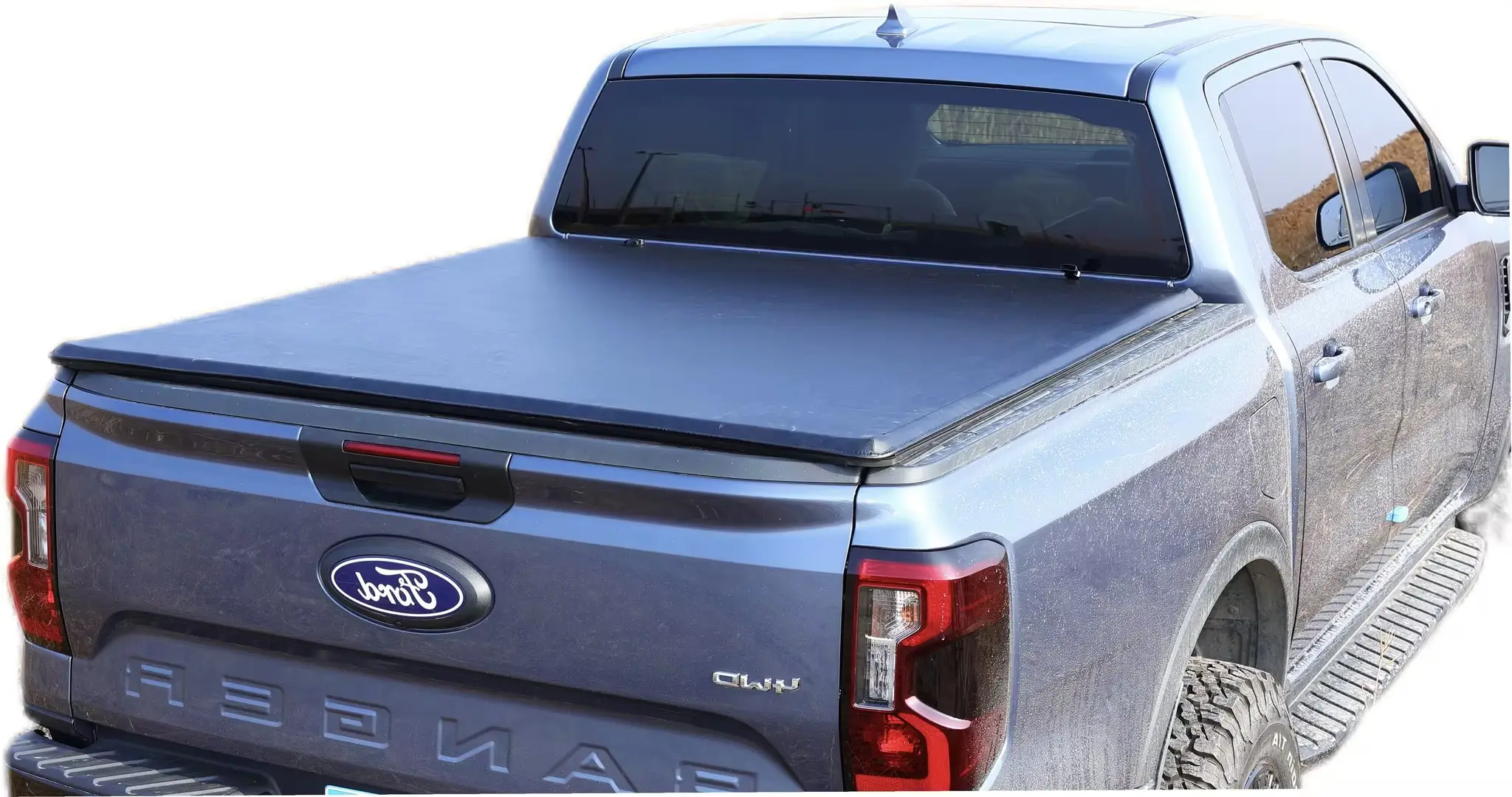
How Volume Tiers Impact Tri-Fold Truck Cover Pricing
Unit cost reduction across MOQs: 10, 50, and 100+ unit tiers
How many truck covers a company buys has a big impact on what they pay per piece. When someone orders just 10 units, most manufacturers will throw in around 5 to 8% off their list price because it makes things easier when packing them all together on pallets. Get up to 50 pieces though, and the discount jumps to somewhere between 12 and 18%. That happens because setup costs for molds and processing materials get spread out over more items. The real money starts saving when companies go for 100 or more covers at once. Consolidating everything into one shipment can slash freight costs by about 40% compared to sending out smaller batches every few weeks according to research from the Transportation Research Board back in 2023. Take a standard $700 cover for instance. Bulk buying brings that down to roughly $525 each, which means a business could save nearly $17,500 during each round of purchases if they buy enough at once.
Tiered discount structures and distributor margin compression at scale
When companies offer volume discounts, they actually create a ripple effect across the entire supply chain. Most distributors will take a hit of around 3 to 7 percent on their margins for orders over 100 units. But there's a catch: they get predictable order volumes and save money on their sales teams. For manufacturers, this means they can pass along bigger discounts to customers without bleeding cash themselves. These savings translate directly into better warranty options, which makes all the difference when businesses are trying to forecast their total cost of ownership for fleets. Smart distributors know how to play this game too. They make up lost profits by selling extra parts like seal kits and mounting hardware as bundles. Customers get added value without paying extra for the core product itself.
| Cost Component | 10 Units | 100 Units | Scale Advantage |
|---|---|---|---|
| Material Sourcing | $320 | $285 | 11% reduction |
| Assembly Labor | $110 | $92 | 16% reduction |
| Distribution Margin | $140 | $98 | 30% reduction |
| Total Unit Cost | $570 | $475 | 17% savings |
Hard vs. Soft Tri-Fold Truck Covers: Total Cost of Ownership at Scale
Upfront cost vs. lifecycle durability: Hard covers (BAKFlip, Undercover, Extang ALX)
Trifold hard covers for trucks definitely cost more upfront, usually between $1200 and $2800, but they pay off big time over the years. Made from either aluminum or fiberglass, these covers can handle thousands of times opening and closing, which means most fleet operators get around 10 to 15 years out of them before needing replacement. The built-in locks make a huge difference too. Some tests showed theft rates drop by about 83% compared to those flimsy soft covers. Installation does take a while, somewhere between 45 minutes to an hour and a half, but since these covers last so much longer than cheaper options, the extra labor cost gets spread out over many years instead of having to replace them every couple of seasons.
| Ownership Factor | Hard Covers | Soft Covers |
|---|---|---|
| Average Lifespan | 10–15 years | 5–7 years |
| Weather Resistance | 360° seal protection | Limited UV resistance |
| Security Level | Lockable panels | Vulnerable to cutting |
Soft cover value proposition: Trifecta 2.0 series warranty leverage and replacement economics
The Trifecta 2.0 series of soft trifold covers makes good financial sense for companies watching their bottom line. These units typically cost around $300 to $900 each, and installation takes about ten minutes which means they can be put into service pretty quickly. The warranty lasts between five and seven years, so there's less worry about needing replacements down the road. Plus, the modular design lets mechanics swap out just parts that need fixing rather than whole components. Fleet records show this saves roughly 32% on costs over time for vehicles that aren't used too heavily. And since these covers weigh about 40% less than alternatives, operators notice real improvements in fuel economy when running them day to day.
Hidden Cost Drivers in Fleet-Scale Tri-Fold Truck Cover Procurement
Installation labor standardization, warranty claim frequency, and part replacement logistics
Many fleet managers don't realize just how much standardized installation labor affects their bottom line. When companies implement uniform procedures across their operations, they typically see installation times drop anywhere from 30 to 45 percent compared to those random approaches some teams still use. Plus, when technicians receive proper training, mistakes happen less frequently, sometimes going under 2%. Then there's the issue with warranty claims that nobody talks about enough. Parts that need replacing every 18 to 24 months end up costing three times what good quality alternatives would have in the long run. Stocking commonly needed items like latch systems at regional warehouses makes all the difference too. It cuts down on those frustrating 7 to 10 day wait periods for repairs and stops small problems from turning into bigger headaches that eat away at any money saved through smart purchasing decisions.
Fuel efficiency gains and cargo protection ROI—quantifying non-sticker savings
Wind tunnel tests show that tri-fold covers cut down on air resistance by around 15 to 22 percent, which translates into actual fuel savings between 3.1 and 4.8% for trucks on highways, especially those in Classes 2 through 3. Fleets that log about 25,000 miles each year can expect to save anywhere from $380 to nearly $600 per truck annually based on today's diesel costs. Security is another big plus. Companies that invest in certified anti-theft covers notice their cargo losses drop by roughly 27 to 33%, while their insurance bills go down by 8 to 12%. And when we factor in less damage from rain or snow, most businesses find that all these savings add up fast enough to pay back the cost of the covers themselves in just 14 to 18 months.
Frequently Asked Questions (FAQ)
What are the advantages of buying tri-fold truck covers in bulk?
Buying in bulk allows businesses to benefit from significant cost savings, including reduced unit prices, lower shipping costs, and better warranty options. Distributors may also offer tiered discounts over 100 units, which can reduce costs even further.
How do hard covers compare to soft covers in terms of durability?
Hard covers, typically made of aluminum or fiberglass, offer greater durability and can last 10 to 15 years compared to 5 to 7 years for soft covers. They also provide better security against theft and are more resistant to weather conditions.
What are the hidden costs associated with tri-fold truck covers?
Hidden costs can include installation labor, warranty claims, and parts replacement logistics. Standardizing installation procedures and stocking parts can mitigate these costs, resulting in savings over time.
How can tri-fold covers improve fuel efficiency?
Tri-fold covers reduce air resistance, leading to fuel savings of approximately 3.1 to 4.8% for trucks, especially on highways. These fuel efficiency gains can result in substantial yearly savings for fleets.